
Scaling a catering kitchen means balancing production, storage, loading and service at another location. A larger oven will not resolve a bottleneck in chilling, transport or dish return. This guide helps UAE caterers connect their event programme to an equipment plan that follows the food through every stage.
Key buying decisions
The right specification starts with real operating requirements, not only a model name or purchase price. Review the following points with your consultant and supplier before approving equipment.
Forecast by event profile
Separate weddings, corporate meals, buffets, plated service and recurring contracts. Each has different batch sizes, service times, transport distances and holding limits, so one average daily volume is not enough.
Balance the production chain
Preparation, cooking, blast chilling, cold storage, assembly and dispatch should grow together. Adding cooking capacity without enough chilling, racks or packing space can increase risk instead of output.
Protect transport quality
Select insulated or powered transport around distance, food type and service plan. Validate loading density, vehicle access, route time and safe handover at venues.
Build repeatable systems
Standard pan sizes, racks, labels, recipes, trolley formats and cleaning routines reduce errors as teams grow. Equipment should support a documented process that new staff can learn.
Practical project checklist
- Event-type and peak production forecast.
- Cook-chill-hold capacity balance.
- Cold and hot transport validation.
- Rack, trolley and GN standardisation.
- Cleaning, maintenance and backup plan.
UAE operating considerations
UAE catering demand can be seasonal and event-led, with long travel and outdoor service conditions. Use validated time-and-temperature controls, route planning and backup capacity, and confirm vehicle and venue interfaces before accepting larger contracts.
Explore relevant equipment and solutions
Use the following links to compare relevant categories and currently active products in the Excel Kitchen catalogue:
- Catering company equipment solutions
- Food holding and transport
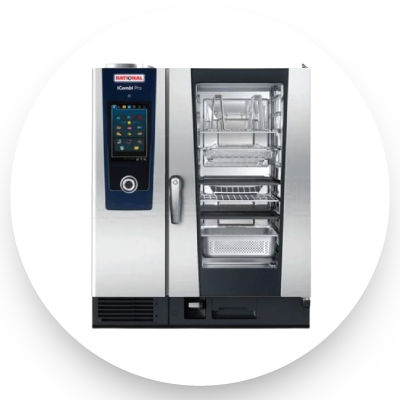
- Commercial combi ovens
- Commercial refrigeration
Frequently asked questions
Which equipment should be expanded first?
Measure the actual bottleneck across the full chain. The answer may be preparation, chilling, storage, packing or transport rather than another cooker.
Are insulated boxes enough for every delivery?
Suitability depends on food, duration, loading and validated temperature performance. Some routes may require active heated or refrigerated transport.
Plan your project with Excel Kitchen
Share your business type, menu, required capacity and available layout with Excel Kitchen. The team can help compare suitable options, coordinate specifications and prepare a quotation for your UAE project. Request a quotation.
Size the production chain against one event plan
Choose a representative event and map preparation batches, cooking loads, holding containers, vehicle loading and the serving arrangement. Include the return of dirty equipment in the same plan. Identify the stage with the longest queue before deciding which equipment to expand. Have container compatibility, handling routes and the required temperature-control process reviewed together so capacity added in one stage does not overload the next.